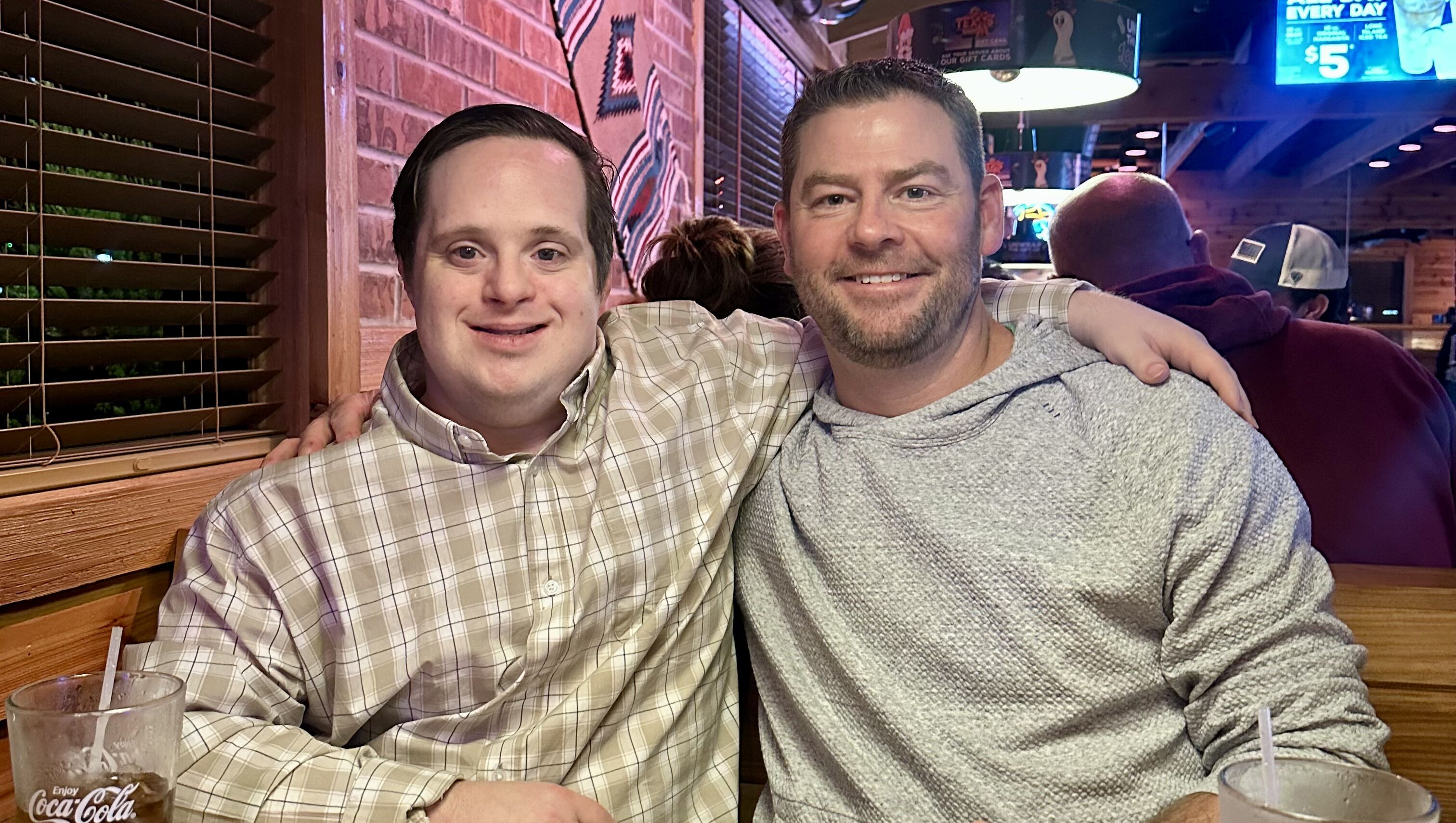
My wife and I have been part of the special needs community for many years. This isn't a market we serve. It's a community we're part of. We lost a daughter before she was born who had Down syndrome.
That experience changed the way I view this work.
Since then, my wife and I have remained deeply involved in the special needs community. We serve in our church's special needs ministry every week. We sit on the board of Together We Care. And every other Thursday we take adults with Down syndrome bowling.
When I sit across from a special needs family, I'm not reading from a script. I understand that behind every conversation is a parent trying to answer one difficult question:
"What happens to my child when I'm no longer here?"
A properly structured trust lets you leave money to your child without disqualifying them from Medicaid or SSI. Funded correctly, it can provide for their care, housing, and quality of life long after you're gone. But it has to be set up by the right attorney.
A tax advantaged savings account specifically designed for people with disabilities. It allows your child or adult dependent to save money without affecting their eligibility for government benefits. Simple, powerful, and massively underused.
Many parents worry about what happens when they're no longer here to provide care, support, and financial security for their child. The right strategy can help ensure resources are available when they're needed most while preserving the benefits your child may depend on. The goal isn't simply leaving money behind. It's creating a future that's protected.
This can disqualify them from Medicaid and SSI immediately. Even a well-intentioned inheritance can do serious damage without the right structure in place.
Life insurance and retirement accounts paid directly to a special needs individual can have the same effect. The structure of how money passes matters as much as the amount.
Most families tell me they wish they'd started sooner. Not because it was complicated. But because they finally felt like someone understood their situation and knew what to do.
Most families don't wait because they don't care.
They wait because they're busy, overwhelmed, and unsure where to begin.
The first conversation isn't about products.
It's about understanding your situation, identifying what may need attention, and helping you determine what makes sense for your family.
You don't have to navigate this alone.
I've spent years building relationships with attorneys and other professionals who focus on special needs strategy coordination so families have access to the guidance they need.
The hardest part is often getting started.
One of the most common things parents tell me after our first conversation is:
"I wish I'd done this sooner."